For years, online learning had a reputation problem. Sceptics assumed that a screen could never replace a workshop, a laboratory, or a hospital ward, particularly for careers built on practical skill. That assumption is increasingly outdated.
Modern online programmes combine flexible instruction with virtual simulations, practical projects, and supervised, real-world experience. As more students and institutions recognise the value of these learning options, the demand for online education continues to grow.
According to Research and Markets, the online education market is expected to grow from an estimated USD 382.53 billion in 2025 to USD 1 trillion by 2034. This represents a compound annual growth rate (CAGR) of 11.32% between 2026 and 2034.
With online education becoming more accessible, students have more opportunities to prepare for careers that require practical skills. This article explores how online learning builds practical competence, how it works in regulated professions, and what students should look for before enrolling.
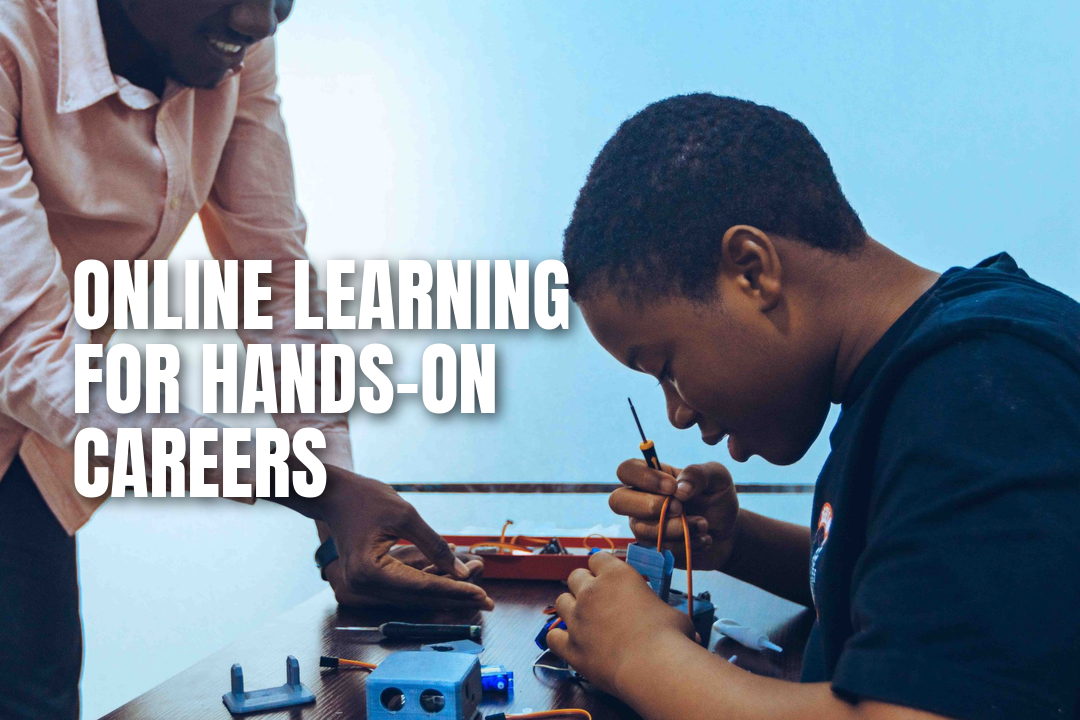
Early online courses were often little more than recorded lectures and downloadable slides. Today’s programmes are far more interactive, offering live seminars, virtual breakout rooms, timely tutor feedback, and assessments that reflect real workplace tasks.
This shift matters especially for hands-on careers, where practical competence comes from applying knowledge rather than simply recalling it. Research supports this approach.
A 2026 pilot study published in Frontiers found that online lectures worked best when combined with interactive teaching and regular feedback. In the study, 72.5% of students said that interactive classroom activities supported their learning, while many also valued practical problem-solving with tutor guidance.
Well-designed online courses follow a similar approach, using interactive course elements to keep learners engaged. They give students opportunities to apply what they learn through real-world case studies, problem-solving exercises, and practical assignments that reflect workplace expectations.
Online programmes increasingly use technology to give students a feel for professional environments. Virtual laboratories allow science students to conduct experiments, while simulated patient scenarios help healthcare learners practise assessments and clinical decision-making in a safe setting.
Students in design, marketing, and business can also work on practical projects, sometimes for real organisations, and build portfolios to showcase their skills to potential employers.
These activities help bridge the gap between theory and practice. Students can make mistakes, learn from them, and repeat simulations until they feel more confident without the risks involved in a real workplace.
Recorded sessions also allow learners to revisit difficult tasks and review their performance. Tutors can use these recordings to identify areas where students need more guidance and provide targeted feedback.
The strongest test of online learning is a profession where practical competence is legally regulated. Healthcare, therapy, teaching, and counselling all require supervised experience before independent practice.
Speech-language pathology is a good example. In the United States, practitioners generally need an accredited graduate degree, supervised clinical experience, and state licensure, with certification through the American Speech-Language-Hearing Association (ASHA). This is why many working adults and career changers explore a master’s in speech-language pathology online route.
Online delivery makes theory, research methods, and case discussion accessible from home, while clinical placements take place in schools, clinics, or hospitals nearby. Those placements are not an add-on. As Thiel College notes, clinical confidence grows through hands-on experience, clinical application, and meaningful practice, which no lecture can replace.
The best online programmes separate what can be taught remotely from what needs in-person work, and build both into the curriculum. Always confirm accreditation and placement arrangements first, as requirements vary by state and profession.
Flexibility is one of the biggest advantages of online learning compared with traditional education, particularly for people balancing work, family, and career goals. Since lectures and course materials are available remotely, students can continue working, volunteering, or gaining experience in their chosen field while studying.
For example, someone working in a clinic or workshop can apply newly learned concepts directly to their daily tasks. This can be particularly valuable for career changers.
Richard Alderson, founder of Careershifters, points out that career changes in 2026 are often driven by unsustainable working conditions, unhealthy work environments, and years of feeling professionally stuck. He also highlights the need for better workplace support and more help for people making mid-career transitions.
Flexible online programmes can make such transitions more manageable by allowing learners to gain new qualifications without putting their existing responsibilities on hold.
Practical career preparation goes beyond classroom learning, even in fields that do not require formal clinical training. Good online programmes often work with employers to arrange internships, work placements, and industry mentoring opportunities.
Some also include capstone projects based on real workplace challenges, allowing students to apply their knowledge and demonstrate their abilities through completed work. These experiences can strengthen a graduate's portfolio and provide useful examples to discuss during job interviews.
Mentorship also plays an important role in career preparation. Learning from experienced professionals helps students understand workplace expectations, improve their decision-making, and gain insights into industry practices. Mentors can also provide constructive feedback, share career advice, and sometimes help learners build professional connections.
| Measure | Figure |
|---|---|
| Global online education market value (2025) | USD 382.53 billion |
| Projected global online education market value (2034) | USD 1 trillion |
| Expected CAGR of the online education market (2026 to 2034) | 11.32% |
| Students who said interactive classroom activities supported their learning (2026 study) | 72.5% |
| Online learning and practical readiness | Combining online coursework with supervised placements helps students develop practical skills |
Online learning no longer means choosing between flexibility and practical readiness. When programmes combine interactive teaching, simulations, mentoring, and supervised placements, students can develop both the knowledge and confidence needed to work in real-world settings.
Whether you are exploring vocational training or a regulated field, the key is to examine how a programme builds hands-on experience, not merely how it delivers content. Research your options, check accreditation and placement arrangements, and choose a programme that prepares you for the practical demands of your chosen career.
Yes, to a point. Simulations, virtual laboratories, practical projects and tutor feedback build practical competence, and the strongest programmes pair them with supervised in-person placements for the skills that cannot be taught remotely.
Many are, provided the programme is accredited and includes the supervised experience the profession requires. Requirements vary by state and profession, so always check them before enrolling.
Theory, research methods and case discussion are delivered online, while placements take place in schools, clinics or hospitals near the learner. Always confirm placement arrangements first.
Look for accreditation, interactive teaching, regular tutor feedback, simulations or practical projects, and clear support for placements or mentoring.
People who read this article, also enjoyed reading: